
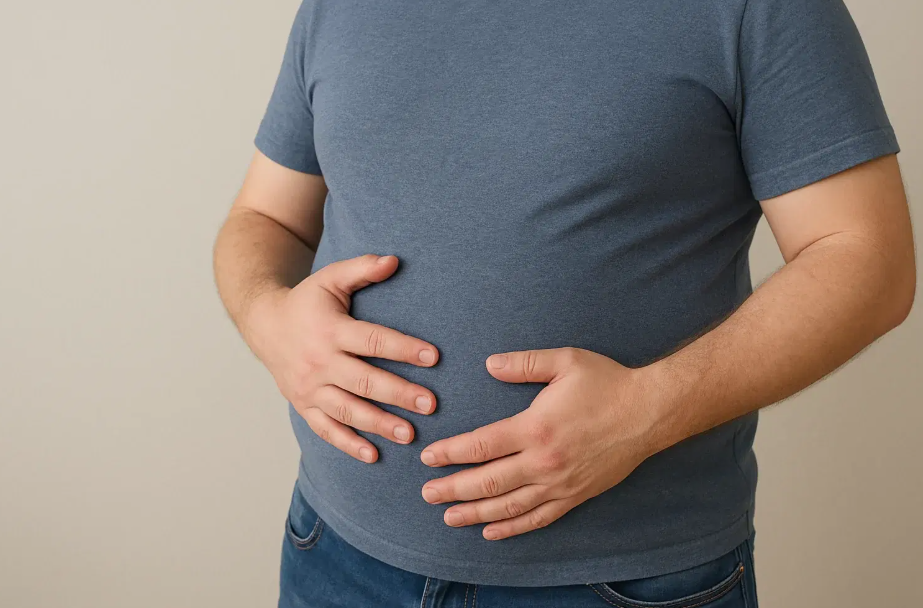

Feeling bloated can make your stomach feel uncomfortable and appear more swollen than usual. While there is no overnight shortcut to losing body fat, a few simple lifestyle changes may help reduce temporary bloating and water retention.
Staying hydrated, getting enough sleep, exercising and paying attention to foods that trigger gas can all make a difference. Here are four simple approaches that may help.
DRINK ENOUGH WATER
Adequate hydration supports normal digestion and can help prevent constipation, which is a common cause of abdominal bloating.
In addition to drinking water throughout the day, foods with a high water content, such as watermelon and cucumbers, can contribute to overall hydration.
LIMIT FOODS THAT TRIGGER GAS
Some nutritious foods can produce more gas during digestion, particularly in people who are sensitive to them. Cabbage, beans, broccoli, onions and certain dairy products are common examples.
There is no need to eliminate these foods permanently, but temporarily reducing foods that you know cause digestive discomfort may help ease bloating.
GET MOVING
Physical activity can support digestion and may help relieve the uncomfortable feeling of being bloated. Even light movement, such as walking, can be beneficial.
More intense exercise can also improve overall fitness and increase calorie expenditure, although reducing bloating should not be confused with losing body fat.
PRIORITIZE QUALITY SLEEP
Getting enough quality sleep is an important part of maintaining overall health and supporting the body’s normal regulatory processes.
Poor sleep can affect several systems involved in appetite, digestion and fluid balance. Maintaining a consistent sleep schedule and allowing your body sufficient time to rest may therefore help you feel better and less sluggish or bloated.




