
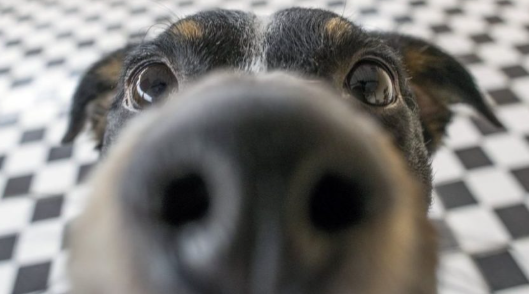

Home is generally the safest place for your pet while you are away. However, a small oversight can quickly turn your home into a serious threat to your pet’s health and life.
On the one hand, the home can contain a wide range of toxic and potentially harmful substances. On the other, pets are naturally curious and may come into contact with substances they should never ingest. Here are some of the most common household hazards that can pose a threat to pets:
1. Human Medications
For many years, human medications have been among the most common household risks to pets. Animals can accidentally come into contact with medication when pills fall onto the floor or when medicines are left within their reach.
Medications should always be stored in places that pets cannot access. Owners should also be careful to prevent pills from accidentally falling onto the floor.
2. Insecticides
In our efforts to control unwanted or harmful insects, we can sometimes put our pets at risk. One of the most common accidents is poisoning caused by the improper use of insecticides, as each product is formulated for specific species and purposes.
Important: Before treating your pet, especially for fleas or flies, consult your veterinarian and make sure the product is appropriate for the animal.
3. Human Foods
Foods such as grapes, raisins and avocados, as well as products such as chewing gum, can be harmful to pets.
Chocolate is also among the most dangerous foods for pets. If consumed in large amounts, it can cause vomiting, diarrhea, excessive thirst, increased urination and, in severe cases, abnormal heart rhythms, tremors and seizures.
4. Plants
Certain common houseplants, including plants from the genera Rhododendron (family Ericaceae), Lilium (family Liliaceae), Kalanchoe (family Crassulaceae) and Schefflera (family Araliaceae), can be toxic to pets.
Lilies are particularly dangerous for cats and can cause severe kidney damage and potentially life-threatening poisoning, even when only small amounts are ingested.
5. Veterinary Medications
Although veterinary medications are specifically designed for animals, they can still pose serious risks when they are used or administered incorrectly by pet owners.
These include nonsteroidal anti-inflammatory drugs (NSAIDs), heartworm-prevention medications, antibiotics, vaccines and dietary supplements.
6. Rodenticides
Rat and mouse poisons often contain substances that can also attract pets. Depending on the type of rodenticide, ingestion can cause serious and potentially life-threatening complications, including bleeding, kidney damage and seizures.




