
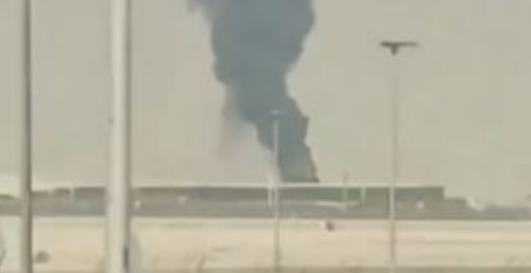

A series of powerful explosions shook Saudi Arabia’s capital, Riyadh, on Thursday, including a major blast reported at King Khalid International Airport, triggering widespread alarm and significant disruption to air travel.
Witnesses reported hearing several explosions across the city, while thick smoke was seen rising from the airport. Emergency crews were deployed to the scene, and departing flights were temporarily halted as passengers were instructed to evacuate the terminal. Flight-tracking data showed significant disruption to operations at the airport.
Yemen’s Houthi rebels claimed responsibility for a new attack on King Khalid International Airport, saying they had targeted the facility with a ballistic missile. Saudi authorities, however, reported that multiple missiles had been intercepted, and details surrounding the latest blast remained under investigation.
The latest incident comes amid a sharp escalation in attacks by the Houthis against Saudi Arabia. The group has repeatedly targeted airports and other critical infrastructure in recent days, while Saudi-backed forces have intensified military operations against Houthi positions in Yemen.
The disruption at King Khalid International Airport has already affected airlines operating to and from Riyadh. Several carriers cancelled or diverted flights, while some services were suspended amid concerns over the security situation and the safety of passengers and crews.
The latest developments follow attacks on King Khalid and Abha airports earlier in the week that, according to Saudi authorities, killed three people and injured dozens of others. The victims included foreign nationals from Sudan, Morocco and Algeria.
The escalation comes as Saudi Arabia and its allies continue a major military campaign in Yemen aimed at pushing back Houthi forces and regaining control of strategically important areas along the country’s western coast and around the Bab el-Mandeb Strait.
The situation remains highly volatile, with further disruptions to aviation and growing concerns over the potential impact on regional security, energy infrastructure and international travel.




