
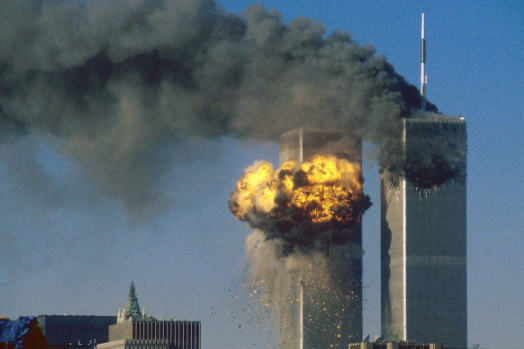

The CIA has declassified 71 presidential intelligence memoranda concerning al-Qaeda and its former leader, Osama bin Laden, providing further insight into the warnings received by U.S. intelligence agencies in the years and months leading up to the September 11, 2001 attacks.
The documents were released on the 25th anniversary of the attacks and detail the efforts of U.S. intelligence agencies to understand the threat posed by bin Laden and his terrorist network.
The records show that al-Qaeda had been identified as a significant threat years before 9/11, while warnings about potential attacks against the United States had reached the highest levels of the U.S. government.
A memorandum dated September 10, 1998, warned that al-Qaeda could potentially use an aircraft loaded with explosives to attack a city in the United States.
Another document, dated December 4, 1998, warned that Osama bin Laden and his associates were preparing attacks against the U.S. The possibility of an aircraft hijacking was also mentioned.
Warnings continued in the years that followed, with concern within the U.S. intelligence community increasing significantly during the months immediately preceding the attacks.
Several memoranda prepared in July and August 2001 pointed to a growing threat from al-Qaeda. One of the most well-known documents, dated August 6, 2001, warned of efforts by bin Laden’s network to carry out an attack on U.S. soil.
The declassified records show that U.S. authorities had received information about al-Qaeda’s interest in aviation and the possibility of using aircraft in a terrorist attack. However, the available intelligence did not clearly establish when, where or on what scale such an attack would take place.
A September 12, 2001 memorandum included in the released material provides insight into how U.S. intelligence assessed the situation immediately after the attacks. According to the document, the operation had reportedly been in planning for around two years, with potential targets including major government buildings in Washington.
The newly released records highlight not only the warnings received before 9/11, but also the difficulties intelligence agencies faced in connecting scattered pieces of information into a clear picture of the threat.
At the time, al-Qaeda was already a major focus of U.S. intelligence because of a series of previous terrorist attacks and plots. However, the scale of the operation being prepared and the precise method by which it would be carried out were not fully established before September 11.
The September 11, 2001 terrorist attacks killed nearly 3,000 people and profoundly changed U.S. national security policy as well as international relations.
The release of the documents 25 years after the tragedy has once again drawn attention to questions surrounding how intelligence warnings were handled before the attacks and to what extent the information available at the time could have contributed to preventing the disaster.




