
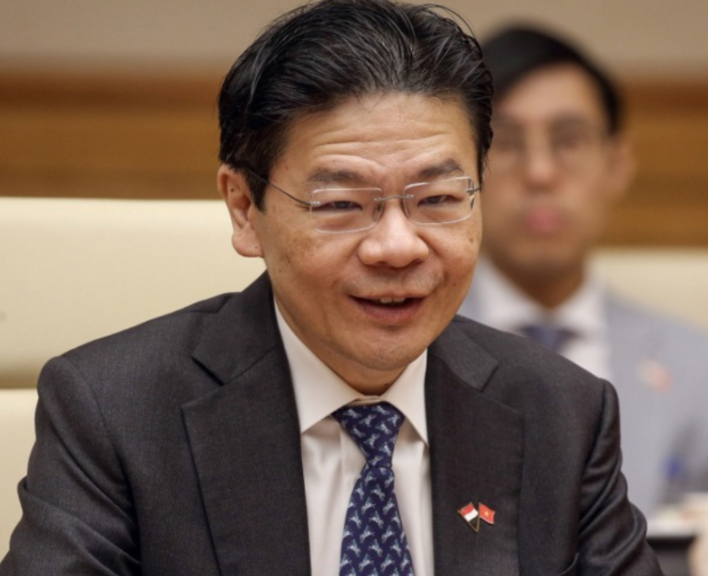

Singapore Prime Minister Lawrence Wong is set to receive a major salary increase under a new government pay structure, further widening the gap between his compensation and that of other political leaders around the world.
Wong’s annual package will increase by S$1.4 million, equivalent to roughly US$1.1 million. However, he has announced that he will donate the additional income to charity over the next five years.
Even before the increase, Wong was already considered the world’s highest-paid political leader. His annual compensation stood at approximately US$1.7 million and is now expected to reach around US$2.8 million — an increase of more than 60%.
The figure places him far ahead of several other highly paid world leaders. Hong Kong Chief Executive John Lee earns roughly US$719,000 annually, while Switzerland’s president receives around US$606,000. The US president’s official salary is US$400,000 a year.
The scale of ministerial salaries has long generated debate in Singapore, particularly because they are significantly higher than the earnings of the average worker. Wong acknowledged those concerns but argued that competitive compensation is necessary to attract accomplished professionals into public service.
According to the prime minister, persuading successful business executives and senior civil servants to leave established careers for politics can be difficult, especially when doing so means accepting substantially lower earnings.
While Singapore cannot match the salaries some top executives receive in the private sector, Wong said the government does not want financial considerations to become an even greater obstacle to recruiting talented people.
The new system will also increase ministers’ base salaries, with additional compensation linked to individual performance and broader national targets, including employment, income growth and economic performance.
High political salaries have been controversial in Singapore for years. The issue contributed to public dissatisfaction ahead of the 2011 general election, after which the government reduced ministerial pay.
Wong is not the first Singaporean leader to donate a salary increase. His predecessor, Lee Hsien Loong, made a similar commitment following a pay adjustment in 2007.
Singapore has long defended its approach to government salaries as part of a broader strategy to attract highly qualified officials and maintain integrity in public service. The country consistently ranks among the nations perceived as having the lowest levels of public-sector corruption.




